


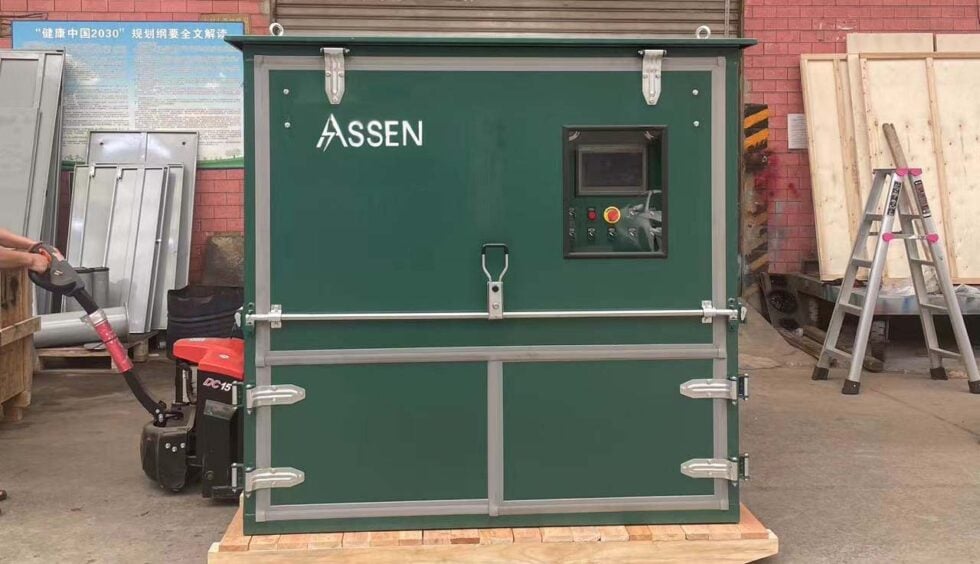
Why is transformer gas content so important??
Electrical transformers rely on insulating oil to maintain efficient operation, but over time, various gas contaminants can form due to electrical and thermal stresses. These gases can indicate potential faults and degrade the transformer’s performance. Understanding the types of gas contaminants and their solutions is crucial for maintaining transformer reliability.
Common Gas Contaminants in Transformers
- Hydrogen (H₂)
Cause: Partial discharge, corona effects, or water decomposition.
Impact: Indicates early-stage insulation degradation.
Solution: Monitor dissolved gas levels and improve oil dryness through filtration.
- Methane (CH₄)
Cause: Thermal decomposition of oil at moderate temperatures (150–300°C).
Impact: Suggests overheating in paper or oil insulation.
Solution: Inspect cooling systems and check for localized hotspots.
- Ethane (C₂H₆)
Cause: Thermal breakdown of oil, often alongside methane.
Impact: Indicates prolonged overheating.
Solution: Perform thermal imaging and load management to prevent excessive heating.
- Ethylene (C₂H₄)
Cause: Severe overheating (300–700°C) in oil or cellulose.
Impact: Signals advanced thermal faults.
Solution: Immediate investigation and possible internal inspection or repair.
- Acetylene (C₂H₂)
Cause: Arcing or extreme thermal faults (>700°C).
Impact: Indicates serious electrical discharges or internal faults.
Solution: Shut down the transformer for diagnostics and repair if necessary.
- Carbon Monoxide (CO) & Carbon Dioxide (CO₂)
Cause: Decomposition of cellulose insulation due to overheating.
Impact: Paper insulation degradation, leading to reduced dielectric strength.
Solution: Monitor furan compounds in oil and replace aged insulation if needed.
- Oxygen (O₂) & Nitrogen (N₂)
Cause: Air ingress due to leaks or improper sealing.
Impact: Accelerates oil oxidation and insulation aging.
Solution: Ensure proper sealing and use nitrogen blanketing to prevent oxidation.
Detection and Mitigation Strategies
- Dissolved Gas Analysis (DGA)
Method: Regularly test oil samples to identify gas concentrations.
Benefit: Early fault detection before major failures occur.
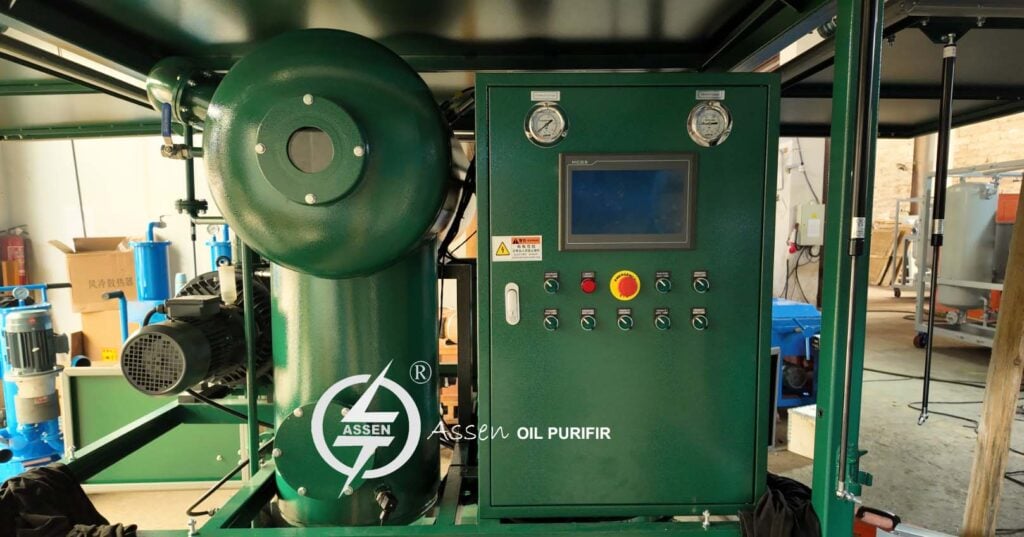
- Oil Filtration and Degassing
Method: Use vacuum dehydrators to remove moisture and dissolved gases.
Benefit: Restores oil quality and extends transformer life.
- On-Line Gas Monitoring Systems
Method: Install sensors for real-time gas level tracking.
Benefit: Continuous monitoring for proactive maintenance.
- Thermal and Electrical Load Management
Method: Avoid overloading and ensure proper cooling.
Benefit: Reduces thermal stress and gas generation.
- Nitrogen Blanketing
Method: Introduce nitrogen in the conservator tank to prevent oxidation.
Benefit: Slows oil degradation and minimizes gas formation.
Conclusion
Gas contaminants in transformers are key indicators of underlying faults such as overheating, partial discharges, and insulation degradation. By using Dissolved Gas Analysis (DGA), oil purification, and real-time monitoring, operators can detect issues early and implement corrective measures. Proper maintenance, cooling, and sealing techniques help minimize gas generation, ensuring transformer reliability and longevity. Regular monitoring and preventive actions are essential to avoid unexpected failures and costly repairs.
ASSEN is a professional oil purifier manufacturer, and we are devoted to resolving any of your oil filtration issues.
Email:[email protected] Whatsapp:+86-15223801122